Verification Protocols Streamlining Bonus Activation in Live Event Markets and Digital Table Experiences via Smartphone Interfaces
Theo Walter · Aug 6, 2026
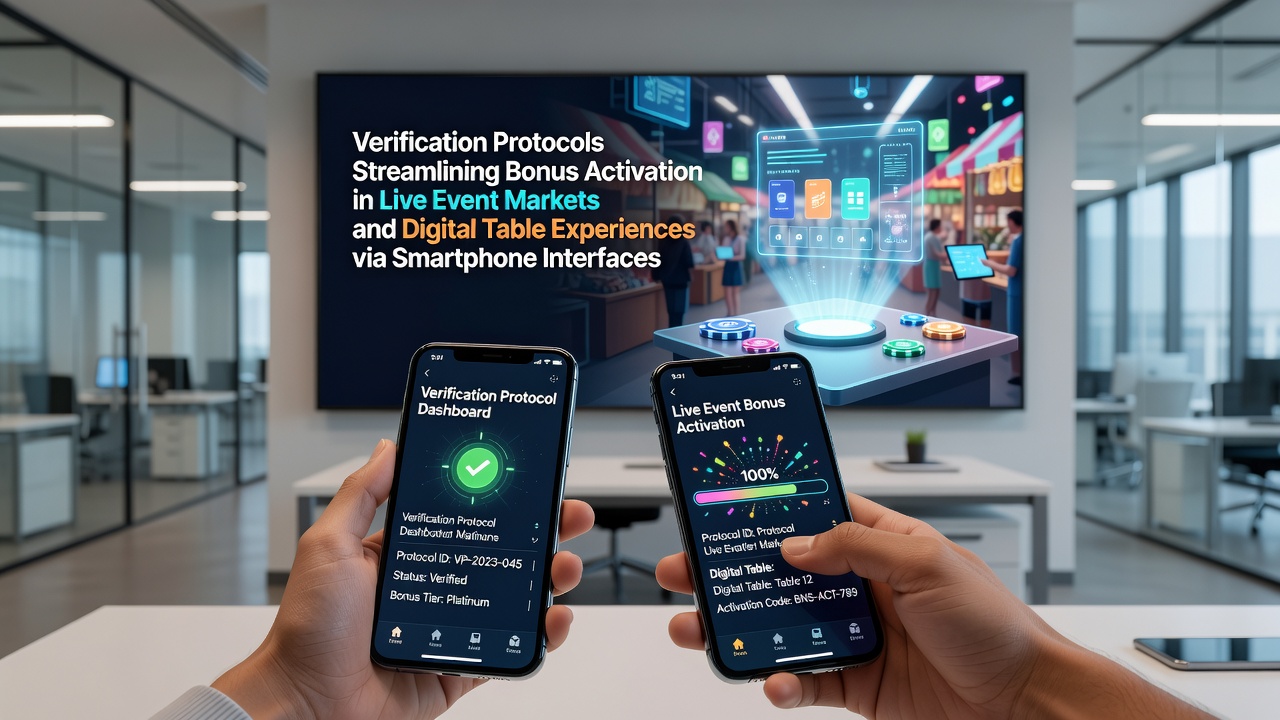
Verification Protocols Streamlining Bonus Activation in Live Event Markets and Digital Table Experiences via Smartphone Interfaces
Verification protocols in digital wagering environments have developed into integrated systems that combine identity checks with real-time data flows, and these systems now handle bonus activations across live event markets while supporting digital table sessions through smartphone interfaces. Operators deploy multi-factor authentication sequences that users complete via mobile cameras and sensors, after which the protocols link verified accounts to promotional credits that apply automatically during active betting windows or table rotations.
Core Components of Modern Verification Systems
Smartphone-based verification relies on document scanning combined with facial recognition and device fingerprinting, and these elements operate together to confirm user eligibility before bonus codes activate in live soccer lines or basketball spreads. Systems process these checks in seconds rather than minutes because algorithms cross-reference submitted data against regulatory databases, which reduces the time between account creation and access to live dealer blackjack or roulette interfaces. Data from industry reports shows that such streamlined processes have increased successful bonus redemptions by measurable margins in markets where mobile traffic dominates overall activity.
Integration with Live Event Markets
Live event markets require rapid adjustments to odds and lines, and verification protocols ensure that bonus funds become available precisely when these fluctuations occur so users can place wagers without separate approval steps. In August 2026, platforms handling high-volume events have reported that mobile verification sequences allow participants to claim incentives tied to in-play soccer markets or basketball totals while the events remain open. Observers note that the protocols maintain compliance records automatically, logging each activation against transaction timestamps that align with regulatory reporting requirements across multiple jurisdictions.
Support for Digital Table Experiences
Digital table experiences on smartphone apps demand continuous session stability, and verification protocols embed bonus triggers directly into the game flow so that welcome offers or reload credits apply without interrupting card draws or wheel spins. Users complete initial identity confirmation once through the app, after which subsequent table sessions inherit the verified status adn unlock layered incentives based on play volume. Research indicates that these connections between verification layers and table mechanics have expanded participation rates in regions where portable devices account for the majority of casino-style activity.
Regulatory Alignment and Data Security Measures
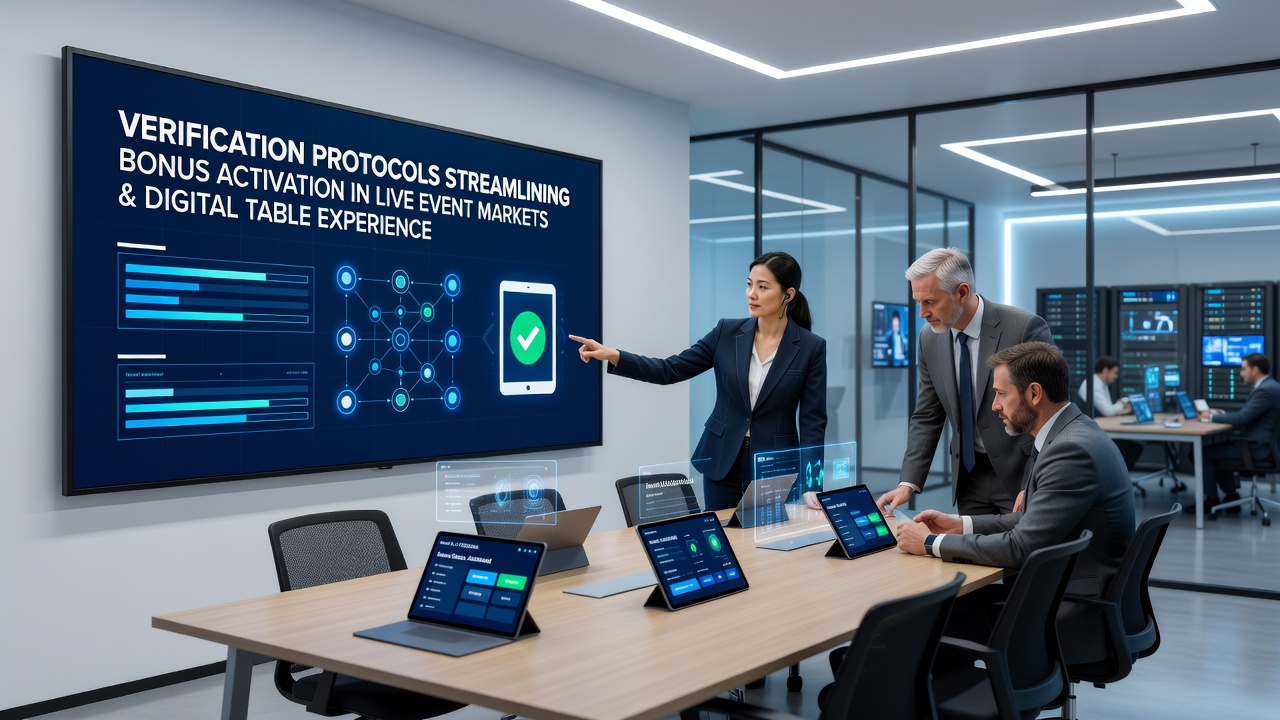
Regulatory bodies in various regions require documented trails for all bonus-related transactions, and smartphone verification protocols generate these trails through encrypted logs that update in real time as users move between live markets and table environments. According to findings published by the Alcohol and Gaming Commission of Ontario, standardized mobile authentication has contributed to clearer audit trails while maintaining user access speeds. Platforms incorporate end-to-end encryption alongside biometric gates, which protects sensitive information during the brief windows when bonus activations intersect with fluctuating athletic probabilities or table outcomes.
Performance Metrics Across Platforms
Performance data collected from multiple operators reveals that verification completion rates exceed ninety percent on first attempt when smartphone interfaces guide users through sequential prompts, and this efficiency extends to both live event wagering and digital table play. Systems track activation timestamps against bonus eligibility windows, allowing automatic adjustments if market conditions shift after initial claims. Those who monitor industry statistics have observed that such synchronization reduces support ticket volumes related to delayed incentives, freeing resources for other operational areas.
Conclusion
Verification protocols continue to refine the connection between identity confirmation and bonus delivery in smartphone environments that host live event markets alongside digital table experiences. These systems rely on layered authentication that processes quickly while satisfying compliance standards, and they enable users to engage with dynamic lines and table sessions through a single verified account. Ongoing developments in mobile sensor technology and database integration suggest further reductions in activation friction as platforms adapt to increasing volumes of portable traffic.