Smartphone Interface Synchronization for Deposits and Releases During Team Sport Probability Changes and Casino Table Adjustments
Greta Zimmermann · Jun 13, 2026

Smartphone Interface Synchronization for Deposits and Releases During Team Sport Probability Changes and Casino Table Adjustments
Service channels on mobile platforms connect deposit functions with release processes while team sport probabilities shift in real time and casino table dynamics evolve through player actions and game outcomes. Data from industry reports indicate that these connections rely on integrated application programming interfaces that update odds feeds from sportsbooks alongside random number generators used in table simulations. Observers note that such synchronization allows users to move funds without exiting active sessions even as basketball point spreads adjust or roulette wheel results alter table limits.
Core Elements of Mobile Transaction Coordination
Applications maintain separate but linked modules for sports wagering and casino features where deposit verification occurs through banking partners while release requests trigger compliance checks tied to account history. Researchers at academic institutions have documented how these modules exchange data packets every few seconds to reflect probability changes from sources like league statistics or live game events. When a soccer match probability swings due to an injury report the deposit pathway remains open yet the release queue may pause briefly for risk assessment algorithms to complete their cycles.
June 2026 brings overlapping schedules with NBA postseason developments and early preparations for international tournaments that increase transaction volumes across platforms. Figures from market analyses reveal that mobile sessions during these periods show higher coordination demands as users deposit to chase updated lines while simultaneously requesting releases from completed table game rounds.
Deposit Pathways Amid Probability Fluctuations
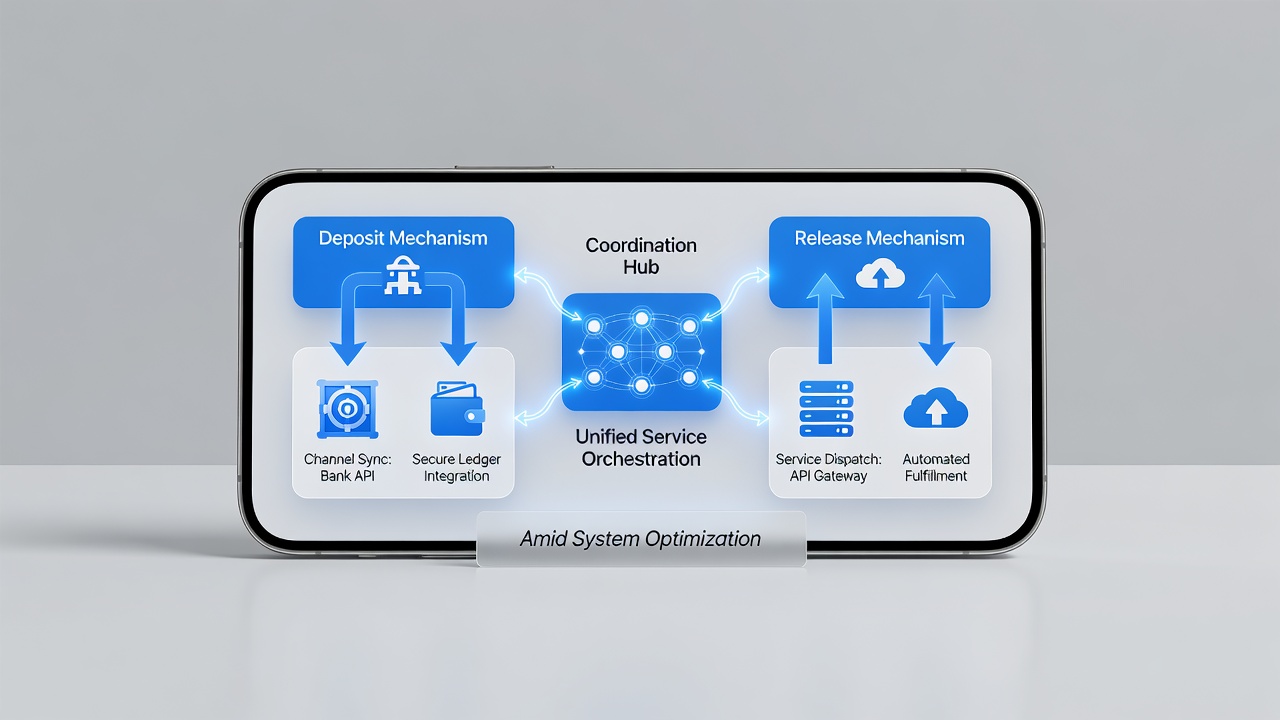
Deposit mechanisms on smartphone interfaces process instant transfers from digital wallets or linked cards while monitoring incoming odds data streams. Experts observe that when team sport lines move rapidly such as during live basketball quarters the system routes confirmation messages through service channels that also handle casino table entries. This routing prevents conflicts where a user might attempt to fund a table game session using funds intended for a sports wager that has already adjusted. Studies from research centers show processing times average under ten seconds when the interface maintains active connections to both banking APIs and probability update servers.
Release Mechanisms in Table Game Contexts
Release functions activate after verification steps that include identity checks and playthrough requirements especially when bonuses apply across sports and casino sections. According to data compiled by the American Gaming Association mobile release volumes rise during periods of high table activity where blackjack or baccarat sessions generate frequent small wins that users seek to transfer out. Coordination ensures these releases do not interrupt deposit flows for new sports bets even as probabilities continue shifting from player substitutions or point totals.
Those who have examined application logs find that service channels employ queuing systems to prioritize releases during peak casino table cycles while deposits queue separately for sports probability updates. This separation maintains platform stability as evidenced in technical reports from software providers that detail load balancing across user accounts.
Integration Challenges and Platform Responses
Platforms address latency issues through edge computing that processes local updates to odds and table states before syncing with central servers. Evidence from performance benchmarks indicates this approach reduces delays in service channel responses during simultaneous sports line movements and casino spin sequences. Users encounter prompts that confirm channel status before finalizing either deposits or releases which helps align expectations with actual processing times.
Additional layers include regulatory compliance modules that cross reference transaction patterns against guidelines from bodies such as those overseeing gaming in multiple jurisdictions. These modules operate in the background of smartphone interfaces and activate checks when probability shifts coincide with large release requests from table game wins. Data compiled by the Responsible Gambling Council highlights how such checks integrate without extending average session durations beyond established norms.
Future Developments in Channel Synchronization
Developers continue refining protocols that allow smoother handoffs between sports probability feeds and casino table engines on portable devices. Observers note ongoing tests of unified ledgers that record both deposit origins and release destinations across different game categories. These advancements build on existing infrastructure that already supports concurrent activity during high volume periods like those projected for major athletic events in 2026.
Conclusion
Coordination between service channels and transaction mechanisms on smartphone interfaces supports ongoing user activity even as team sport probabilities and casino table dynamics change. The systems rely on interconnected data flows that handle deposits and releases through verified pathways while maintaining compliance and performance standards. As events unfold in June 2026 and beyond these mobile features provide the structural backbone for seamless movement between athletic forecasts and chance based table encounters.