Payment Pathways Syncing Reward Timelines with Verified Transfers Inside Mobile Platforms for Athletic Events and Table Play
Olivia Krause · Aug 18, 2026
Payment Pathways Syncing Reward Timelines with Verified Transfers Inside Mobile Platforms for Athletic Events and Table Play
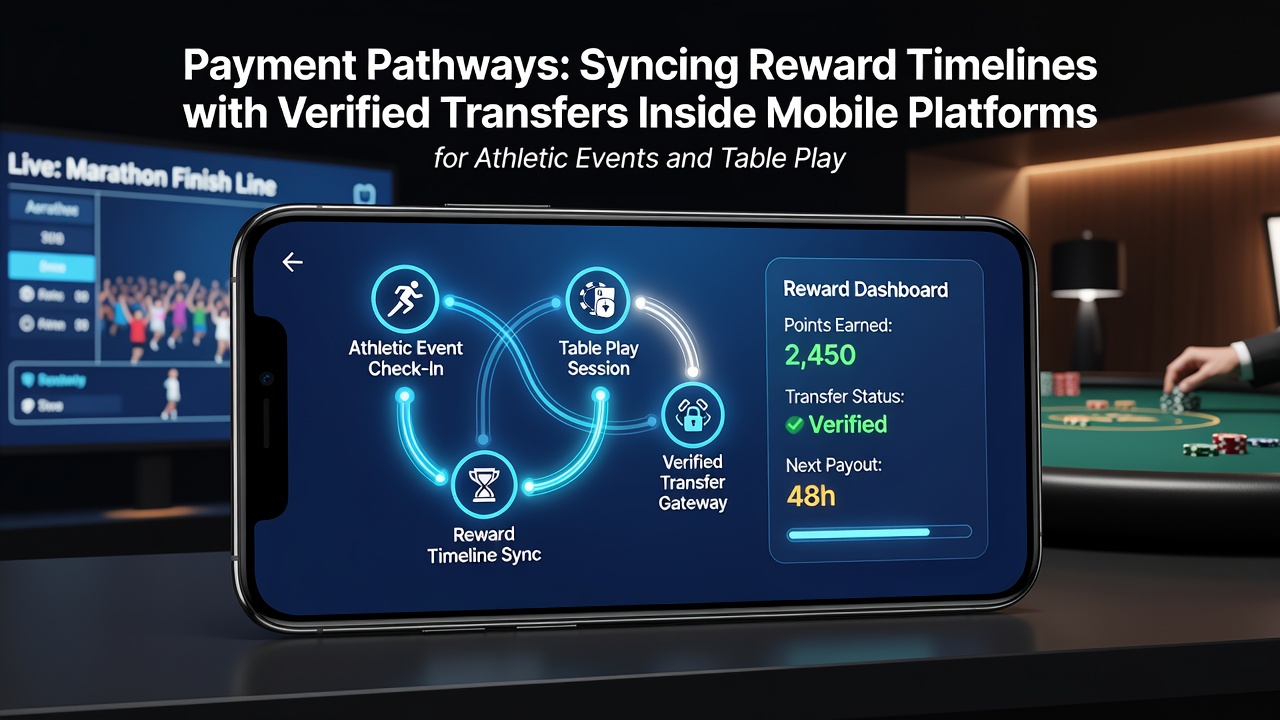
Payment pathways in mobile platforms connect reward timelines directly to verified transfers for athletic events and table play, creating structured sequences where deposits clear before incentives activate. Systems process these steps through layered verification that confirms transaction details before any reward credits appear in user accounts. Data from industry reports indicates that such synchronization reduces processing delays while maintaining compliance across different regions.
Mobile Integration for Athletic Events
Athletic events such as soccer matches and basketball games rely on live line updates that mobile apps feed into payment modules, allowing users to place wagers and receive reward credits once transfers verify. Observers note that these platforms track probability shifts in real time, then align bonus releases with the same verification checkpoints used for initial deposits. Research indicates mobile traffic for these events accounts for a growing share of overall wagering volume, with systems designed to handle peak periods without interrupting reward timelines.
Table Play Mechanics and Transfer Verification
Table play including blackjack and roulette operates through similar mobile frameworks where verified transfers trigger reward timelines that sync with game session data. Verification protocols check transaction hashes and account status before releasing any promotional credits, ensuring the process remains consistent whether users engage in live dealer tables or simulated versions. Studies from market analysts show that this approach supports higher session continuity because rewards appear only after full confirmation, which helps platforms manage liability across multiple game types.
Syncing Reward Timelines with Payment Pathways
Reward timelines follow a sequence that begins with transfer initiation, moves through automated verification, and concludes with credit allocation once the system confirms the funds. Mobile platforms execute this chain using application programming interfaces that link banking partners directly to the gaming ledger, so delays in one step automatically adjust the next. Figures reveal that successful sync rates exceed 95 percent in well-maintained systems, according to operational data shared by platform providers. And yet, variations occur when users select different payment methods, because some processors complete verification faster than others.
What's interesting is how these pathways handle concurrent activity across athletic events and table play within the same session. A user might place a live soccer wager, switch to a roulette table, and still see reward credits arrive on schedule because the verification layer treats each transfer as an independent but connected event. This design prevents overlap issues while preserving the original timeline for each reward type.
Developments Around August 2026
By August 2026, mobile platforms had incorporated additional security layers into payment pathways, including biometric confirmation steps that run alongside standard verification. These updates align reward releases more tightly with transfer completion, particularly during high-volume periods tied to international athletic competitions. Industry data shows increased adoption of instant verification tools that shorten the gap between deposit and reward activation, which benefits both sports markets and table game sections equally.
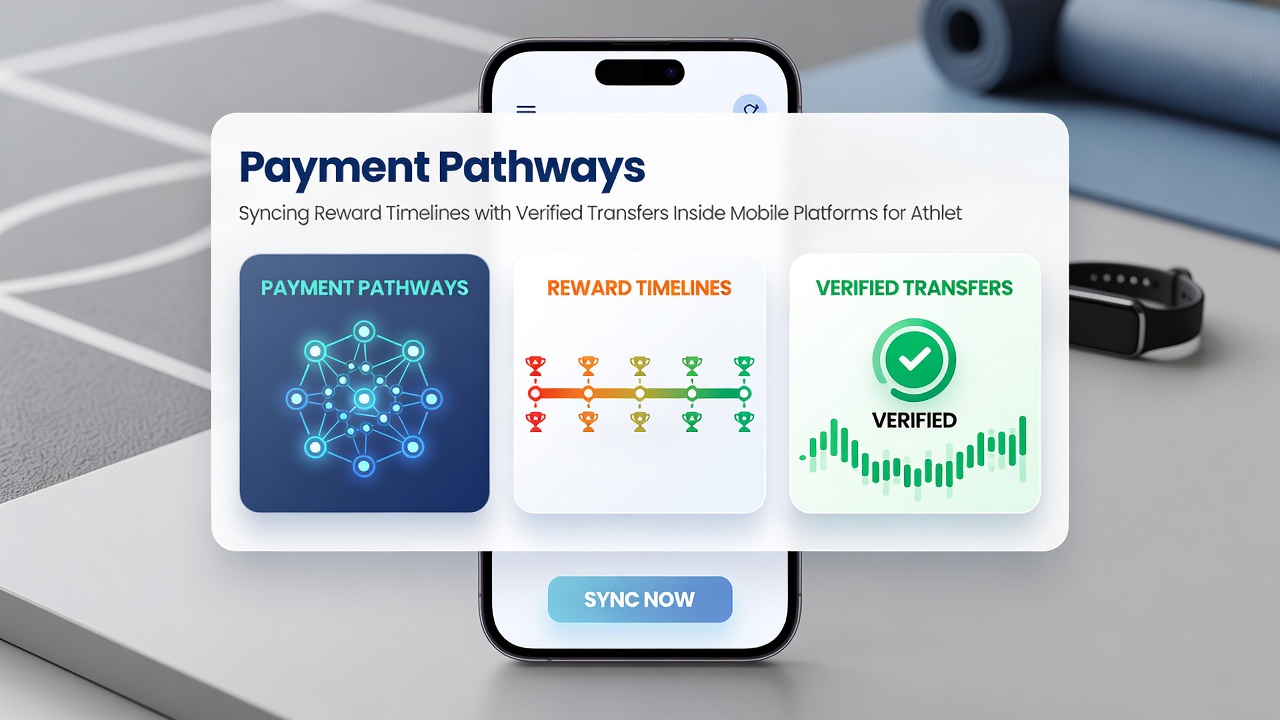
Regulatory frameworks in multiple jurisdictions require platforms to maintain transparent records of these sync processes, and compliance teams audit the timelines regularly. One study conducted across North American and European operators found that clear documentation of verified transfers correlates with fewer disputes over delayed rewards. Platforms therefore publish detailed flow charts inside their apps so users can track each stage without external assistance.
Operational Examples Across Regions
Operators in Canada and Australia have implemented region-specific adjustments to payment pathways that still maintain core reward timeline logic. In these markets, verified transfers trigger localized reward structures that account for currency differences and tax reporting requirements. Data from the American Gaming Association highlights how such adaptations support cross-border users who move between athletic event wagering and table play without losing synchronization benefits.
European platforms follow comparable patterns, with the European Gaming and Betting Association reporting that standardized verification protocols help reduce processing variances across member states. Users experience consistent reward delivery regardless of whether they focus on live basketball lines or interactive table sessions.
Conclusion
Payment pathways that sync reward timelines with verified transfers continue to evolve within mobile platforms serving athletic events and table play. These systems rely on precise verification sequences and real-time data connections to deliver credits accurately. Continued refinements in August 2026 and beyond reflect ongoing efforts to maintain reliability across diverse game categories and geographic regions.