Fanatics Secures Key NFL Partnership as Sportsbooks Adjust to Expired Deals and Prediction Market Growth
Rafael Koch · Aug 20, 2026
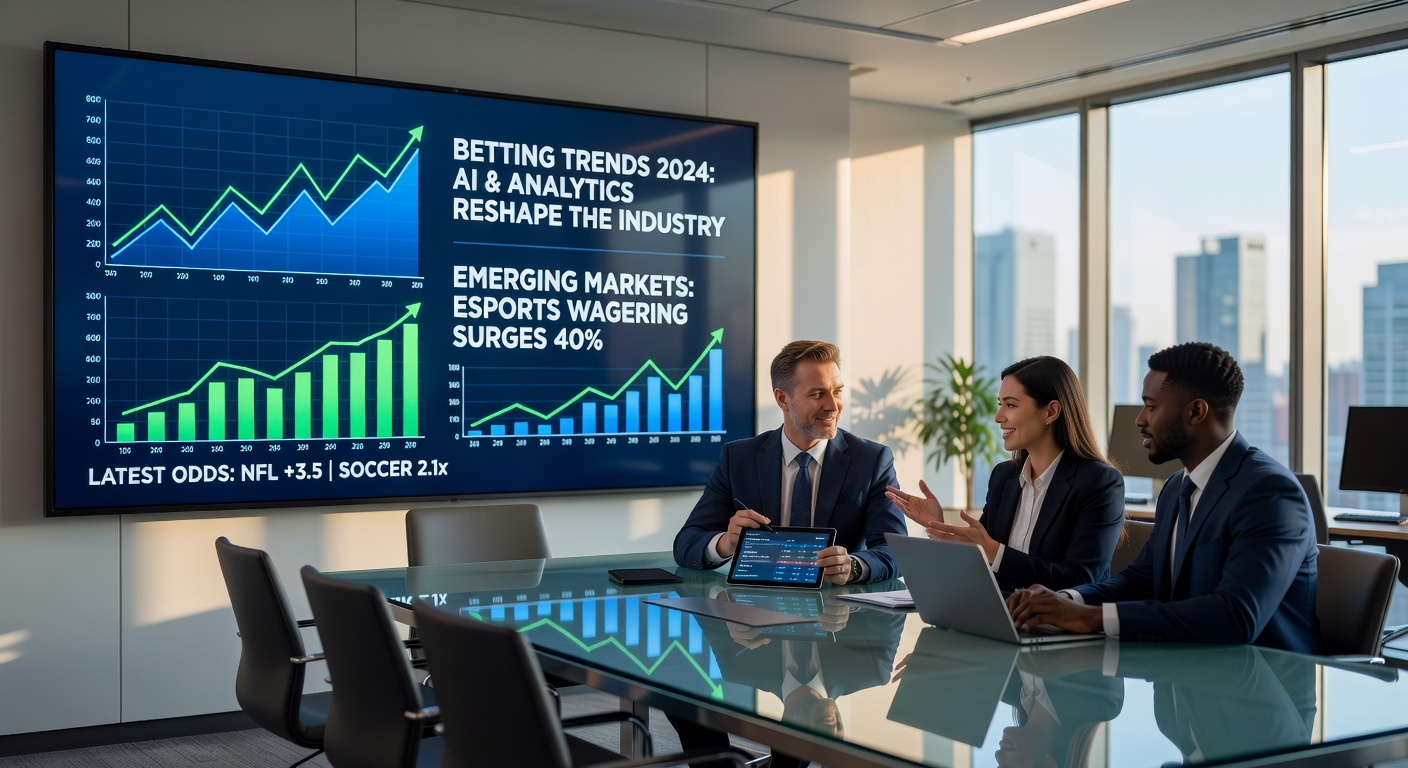
Fanatics Secures Key NFL Partnership as Sportsbooks Adjust to Expired Deals and Prediction Market Growth
In August 2026 Fanatics finalized a major NFL partnership deal while agreements held by operators such as FanDuel and DraftKings reached their expiration points, and prediction market platforms captured larger shares of operator spending ahead of the football season. These developments illustrate ongoing adjustments in the U.S. sports betting sector as competition from prediction platforms influences spending patterns and contract strategies.
Partnership Details and Timeline
Fanatics completed the NFL agreement during the preseason period, positioning the company to offer integrated betting products tied to league content and data rights. The arrangement emerged after prior pacts between the NFL and other major sportsbooks concluded, creating openings for new commercial terms. Observers note that such deals typically cover official data feeds, branding elements, and promotional alignments that run through the regular season and postseason schedule.
Traditional operators faced the end of multi-year contracts that had previously granted them priority access to NFL-related betting inventory and marketing channels. With those terms now expired, companies including FanDuel and DraftKings directed resources toward alternative platforms while evaluating renewal options under revised conditions. Industry reports indicate that spending patterns shifted as operators sought to maintain market presence without the same level of official league endorsements they held before.
Prediction Market Spending Increases
Prediction markets attracted heightened operator allocations as the football season approached, reflecting a broader reallocation of promotional and technology budgets. These platforms operate on event-contract models that differ from traditional point-spread and moneyline offerings, drawing users interested in probability-based forecasts rather than fixed-odds wagering. Data from market tracking services show increased investment in these formats during the summer months leading into August 2026.
Operators adjusted campaign structures to include prediction market integrations, citing user demand for diversified engagement options. This reallocation occurred alongside the expiration of older sportsbook agreements, prompting firms to test new partnerships that complement rather than replace existing mobile applications and retail channels.
Reshaping Operator Priorities
These contract changes and spending shifts have prompted major operators to reassess priorities around content partnerships, user acquisition channels, and product development roadmaps. Companies now weigh the value of league-specific endorsements against the flexibility offered by prediction market ecosystems that require different compliance and technology setups. Research from state gaming commissions across multiple jurisdictions documents parallel trends in how operators structure their 2026 budgets.
Analysts tracking the sector observe that the transition period has accelerated discussions around multi-platform strategies, where a single operator might maintain traditional sportsbook features while allocating separate resources to prediction products. This dual approach appears in several state markets where regulatory frameworks permit both formats under unified licensing structures.
Market Context and Competitive Landscape
The U.S. sports betting environment continues to evolve following the 2018 Supreme Court decision that opened state-by-state legalization pathways. By August 2026, more than two dozen states had active retail and mobile markets, creating a patchwork of rules that influence how national operators negotiate partnership terms. The NFL remains the largest single driver of seasonal betting volume, making access to league data and branding a central factor in commercial planning.
Prediction platforms have expanded their presence through targeted advertising and API integrations that allow traditional operators to white-label certain offerings. This hybrid model reduces the need for entirely separate applications while introducing new contract structures that differ from the expired agreements previously held by FanDuel and DraftKings.
Conclusion
The Fanatics NFL partnership, combined with the conclusion of prior sportsbook deals and rising prediction market expenditures, marks a distinct phase in the U.S. sports betting sector as of August 2026. Operators continue to adapt contract strategies and budget allocations in response to these dynamics, with further adjustments expected once the regular season begins. According to figures released by the National Conference of State Legislatures, regulatory tracking across states shows sustained growth in licensed operator counts alongside diversification into alternative market formats. Additional context appears in reports from the Australian Transaction Reports and Analysis Centre, which examines cross-border influences on digital wagering platforms. These elements together illustrate how the current landscape continues to reshape priorities for established and emerging operators alike.